The automotive sector faced a significant headwind this summer, as official industry figures reveal a sharp 10.8 percent decline in total production output for July. This downward trend marks a departure from the growth seen earlier in the quarter, leaving analysts and major manufacturers assessing the causes of this sudden contraction across the manufacturing landscape.
Inside the Developments
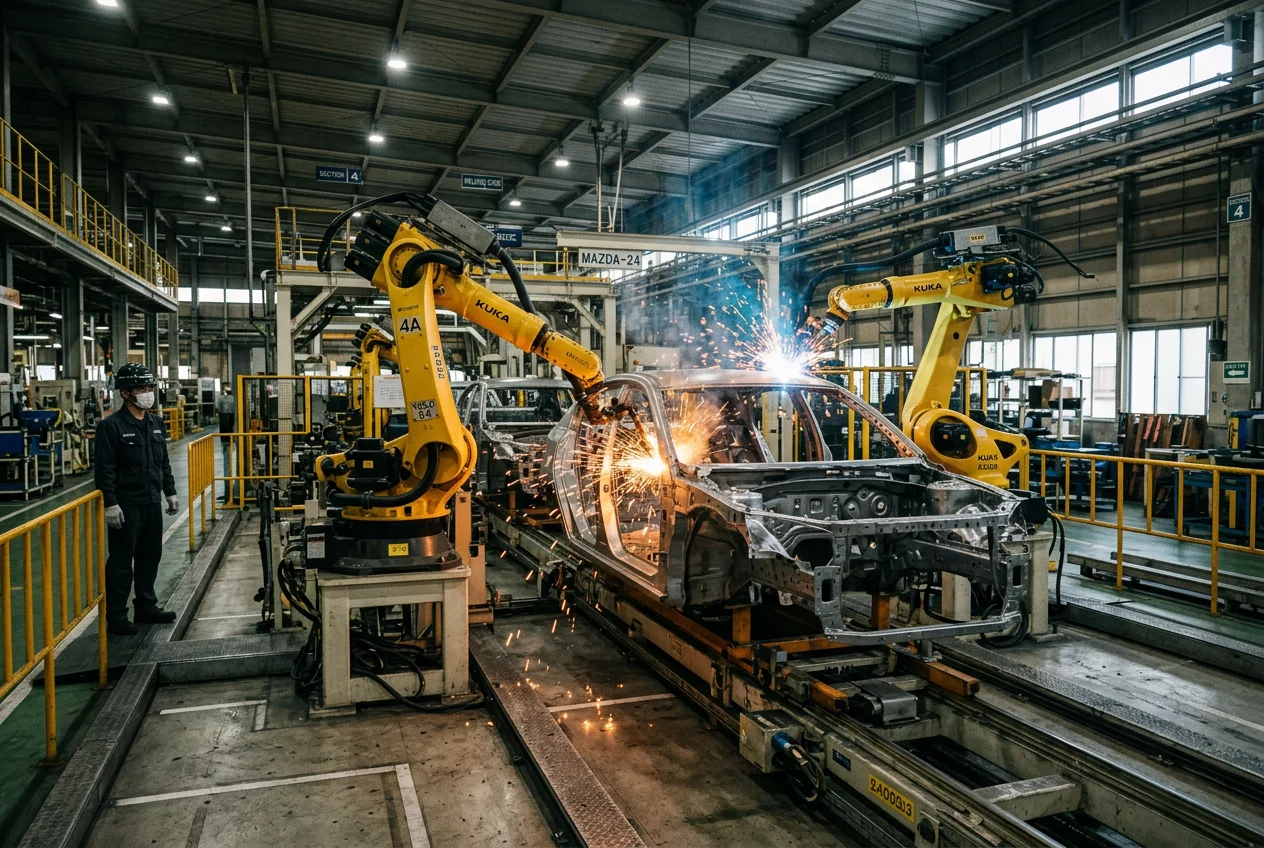
Industry insiders suggest that the sharp drop is primarily localized within the manufacturing of heavy-duty vans, trucks, and specialized commercial fleets. Production lines for these essential vehicles have been hampered by ongoing logistical challenges and a strategic pivot toward next-generation battery-electric platforms, which has necessitated temporary pauses in assembly operations. Moreover, the domestic market for light-duty commercial vehicles has seen a notable cooling effect as businesses await the arrival of more tax-efficient electrified models.
Future Trends
Despite the challenging output figures, the industry is not standing still. The 10.8 percent drop occurs at a time when investment in sustainable manufacturing technologies is at an all-time high. Manufacturers are increasingly prioritizing high-margin models and high-efficiency passenger cars, which actually saw a slight rise in some regions despite the overall total decline. As the supply of critical components continues to stabilize, there is a strong possibility that the total output will recover its lost ground by the end of the year.
- Strategic shifts toward electrified commercial vehicle platforms.
- Temporary plant retooling impacting short-term assembly throughput.
- Anticipated recovery in heavy-duty sectors as logistics stabilize.
"The current dip in production reflects a complex recalibration within the manufacturing sector as we balance existing demand with the aggressive transition toward electric mobility."
As we look toward the final quarter of 2026, manufacturers remain cautiously optimistic. The focus on resolving lingering supply chain bottlenecks and finalizing the launch of several high-profile passenger models could provide the momentum needed to reverse the July decline. While the current numbers suggest a slowdown, the underlying structural changes within the factory walls point toward a more resilient and tech-focused automotive industry in the years to come.
Discussion
Robert C.
Logistics Analyst
Commercial vehicle segment really took a hit. It is interesting to see how the shift toward electric platforms is causing these temporary production ripples.
Leave a Comment