The latest figures from the automotive manufacturing sector bring a breath of optimism as passenger car production climbed by 5.6 percent this July. This growth signifies a steady recovery and a robust response from factories that have been navigating a complex landscape of supply chain shifts and changing consumer demands. While the broader industrial output faces its own set of hurdles, the passenger vehicle segment stands out as a primary driver of momentum.
Inside the Developments
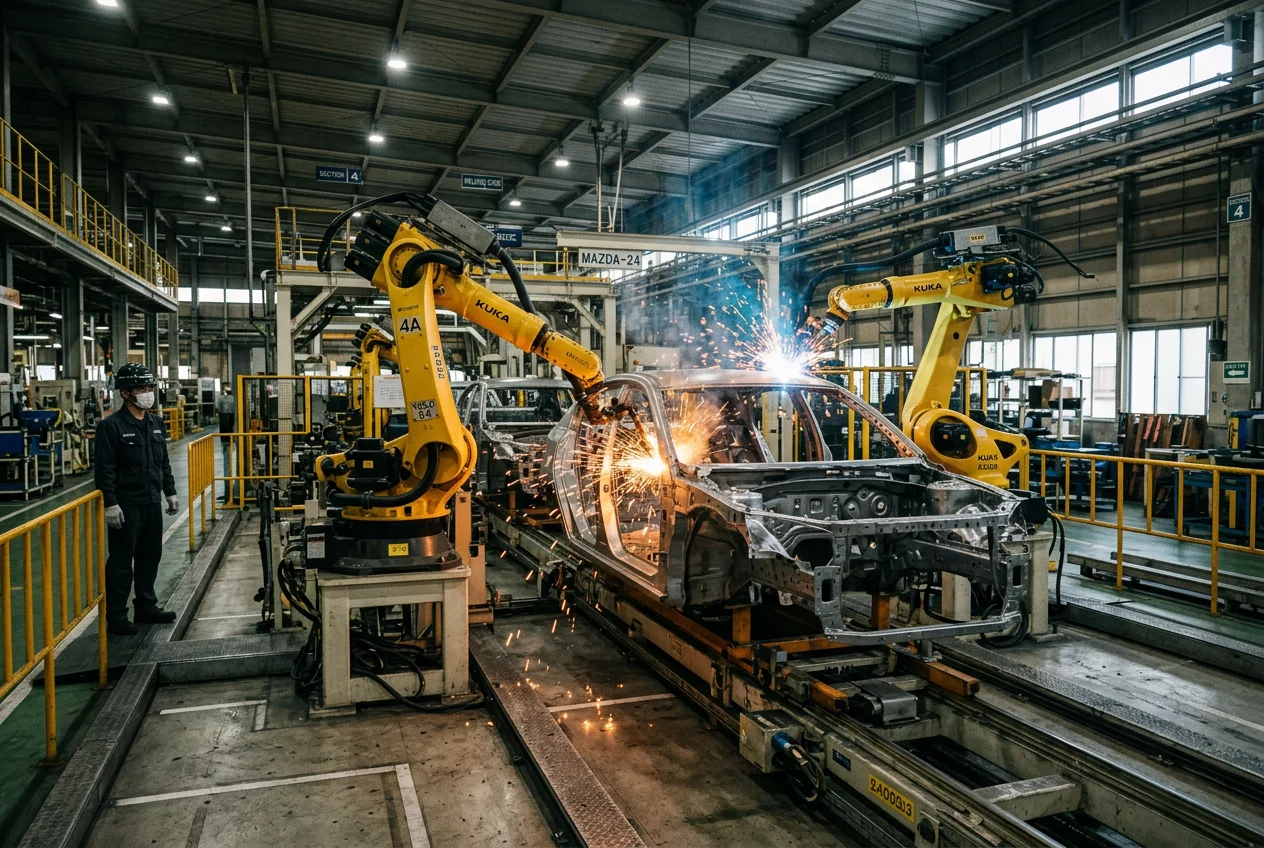
High-tech assembly lines across the country have increased their pace to meet the rising backlog of orders. This surge is largely attributed to the stabilization of semiconductor supplies and a renewed focus on high-efficiency internal combustion engines alongside hybrid models. Manufacturers have successfully streamlined their workflows, allowing for a more consistent flow of vehicles from the production floor to the dealership lots, ensuring that the summer season ends on a high note for the industry.
Future Trends
Looking ahead, the industry is bracing for a period of intense transformation. The growth in July acts as a foundation for upcoming investments in electrified platforms. Experts suggest that the current production uptick is not just a seasonal fluke but a reflection of deeper efficiency gains within the plants themselves. As global markets fluctuate, maintaining this 5.6 percent growth rate will require continued agility and a firm grasp on the evolving regulatory landscape surrounding emissions and sustainable manufacturing.
- Market leader performance metrics showing increased factory throughput.
- Technological advancements in BEV efficiency and charging integrated into production.
- Supply chain stability improving output forecasts for the next quarter.
"This July's performance is a testament to the resilience of our manufacturing base. Seeing production rise by over five percent shows that we are finding our stride again in a very competitive global market."
Despite the positive news for passenger cars, the industry remains cautious. The overall automotive output, when including heavy commercial vehicles and specialized transport, tells a slightly different story, emphasizing the need for a balanced approach to industrial policy. However, for now, the rise in passenger car manufacturing remains a clear indicator that consumer interest is strong and that the factories are more than capable of rising to the occasion.
Discussion
No comments yet. This could be your first comment.
Leave a Comment